


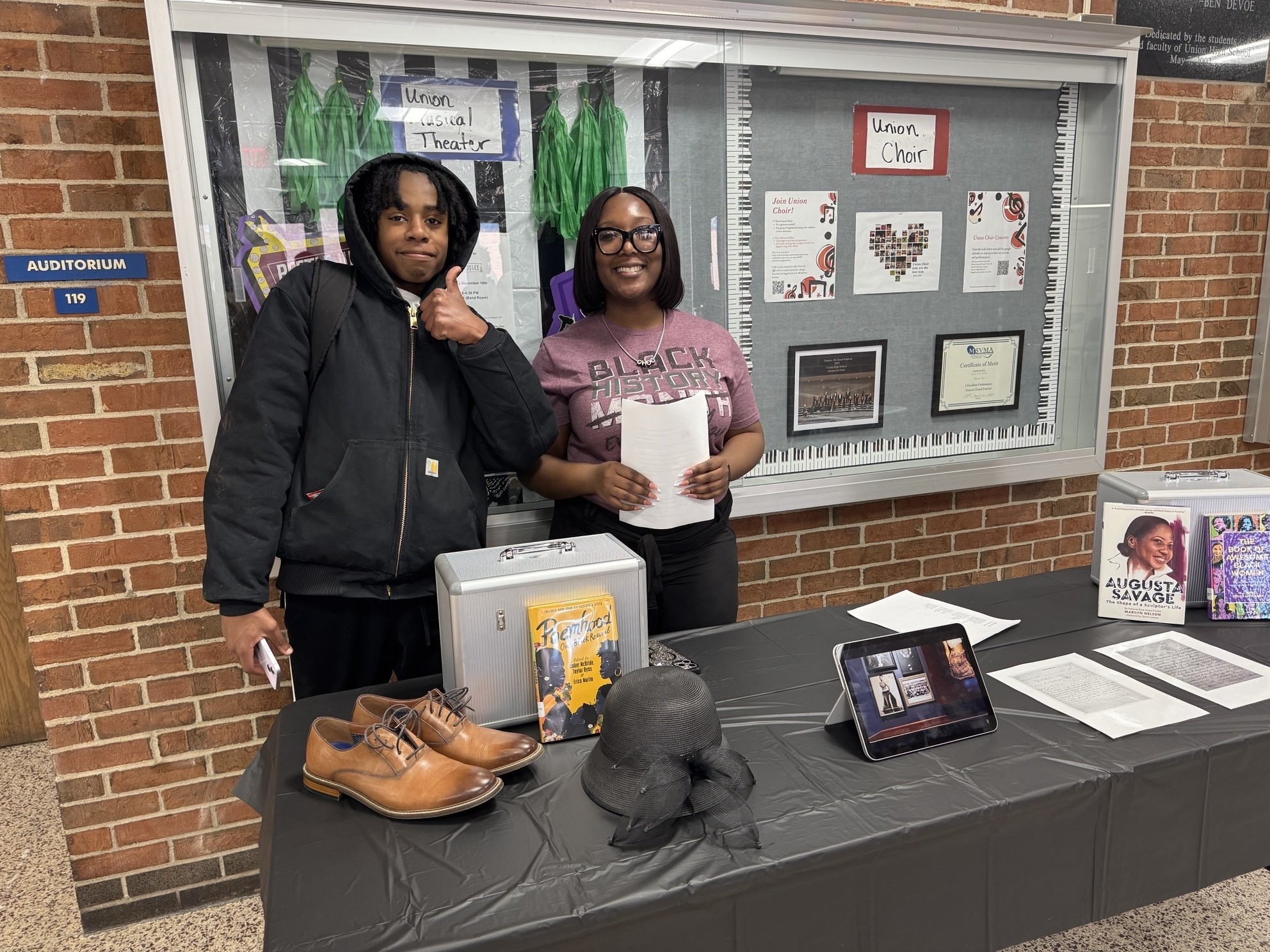
Grand Rapids — Most are pretty familiar with the stories of Dr. Martin Luther King Jr., Rosa Parks and Malcolm X. So this year during Black History Month, students at Union High School opted to shine a light on some of the aspects of Black culture and history that tend to get less attention.
At the end of February, a group of Union students hosted the second annual Black History Museum, a student-led pop-up exhibition highlighting key elements of the Black experience.
‘It was an opportunity for me to put out there what we do as African Americans. Not just what other people see, but how we see ourselves.’
— junior Trinity Lyons
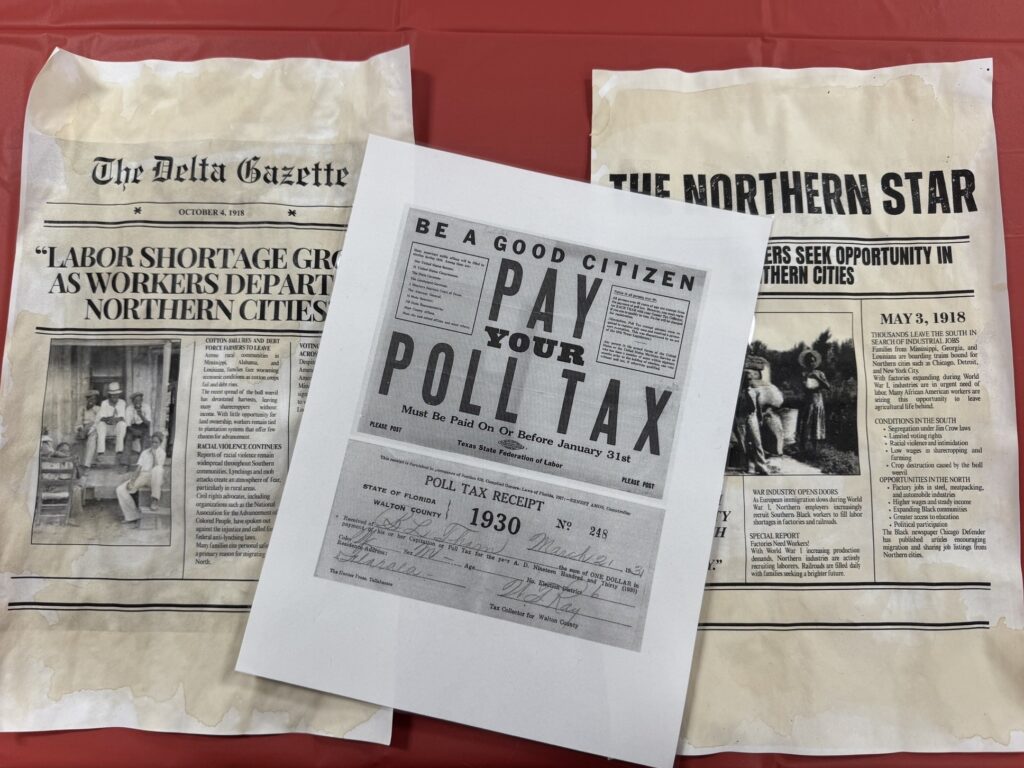
The theme for this year’s museum was the Great Migration, the mass movement of Black Americans from the U.S. South to the North in search of economic opportunity and freedom from racial violence. The one-day museum featured student-run booths exploring the migration, why it took place and the impact it had on expanding Black cuisine, fashion, music and more throughout the nation.
“The whole museum was going into the Great Migration, and how our people, our music and just the culture in general migrated somewhere else because of the things they didn’t like, and didn’t want to continue to go through, like slavery or discrimination or not being treated humanely in general,” said junior Trinity Lyons, one of about 14 Union students who participated in this year’s museum.
‘Our history really matters’
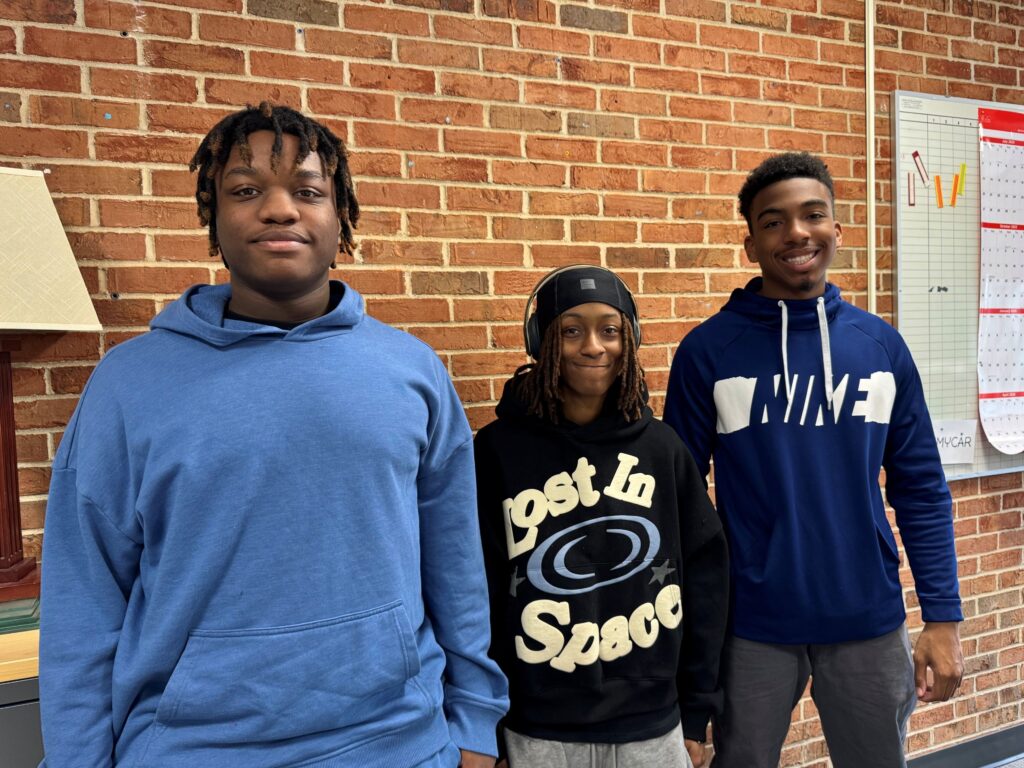
Trinity, along with senior Nathan Mayfield III and sophomore Isaiah Terry, spoke to SNN about why the Black History Museum was important, why they wanted to be a part of it and the impact they hoped it had.
“It was an opportunity for Black students to showcase about their history,” said Nathan, who added that it was important for the group to focus on things that don’t often come up in the history books.
“When we talk about Black history, we always talk about the same people. And (the museum) really chose people that a lot of kids didn’t know about,” he said. “I think that was a very important part — to put a shine on people who don’t get as much attention, but they still had the same impact.”
The museum included food, clothing, videos and news clippings.
Isaiah said the chance to share some of the food he and his family love so much was one of the selling points of being involved with the museum.
“I come from a family that really loves making food, so I wanted to be a part of it. I like giving people what we had when I was growing up — greens and stuff,” he said. “If they tasted it, maybe they’ll make it … and maybe they can share it with other people.”
Trinity said one of the most valuable parts of the experience was being able to convey to the school some sense of what it means to be Black.
“It was an opportunity for me to put out there what we do as African Americans,” she said. “Not just what other people see, but how we see ourselves.”
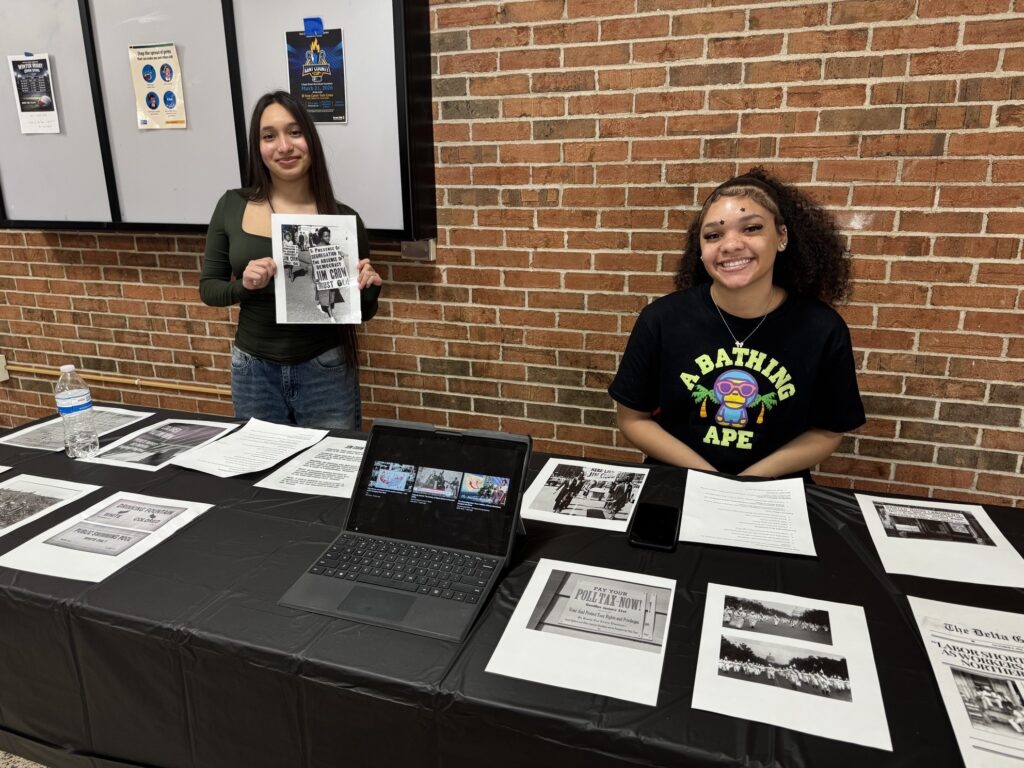
Nathan, who also participated in the Black History Museum last year, said he feels like he’s doing his part to preserve awareness about Black culture and heritage.
“I’m glad I did this, because in parts of the world they’re trying to eliminate Black history,” he said. “I think it was a good idea to do this, to let people know our history really matters.”
Trinity and Nathan said they hope the exhibits hit home for the students who stopped by. They worry that stories about the struggles of Black Americans can start to feel abstract after a while, and one of their goals with the project was to remedy that.
“People look at it like it’s some sort of movie,” Trinity said.
Added Nathan, “They’re detached from it and they feel like it’s a story they’ve always heard, but this happened to real people, and it wasn’t that long ago.”
A Pivotal Time
The Black History Museum was facilitated by Nehemiah Dix and Michala Carter, two youth advocates at Union, who recruited students to participate and helped them get started with researching topics and designing exhibits.
Both Dix and Carter said the Great Migration was a pivotal time in Black history, and an important topic to focus on.
“It’s so easy to forget about history and the role that it played in where we’ve come to today,” said Carter. “I think it was very important for not only African American students, but for all students, to understand that there is a story that started that we’re still building on today, and it’s very important to know the history of where people came from.”
Dix said the plan is to keep the Black History Museum going in the future, and to build on the event every year.
Read more from Grand Rapids:
• Chef to a US president says ‘curiosity, consistency’ key to success
• Neighbors speak up about repurposing former elementary schools


