


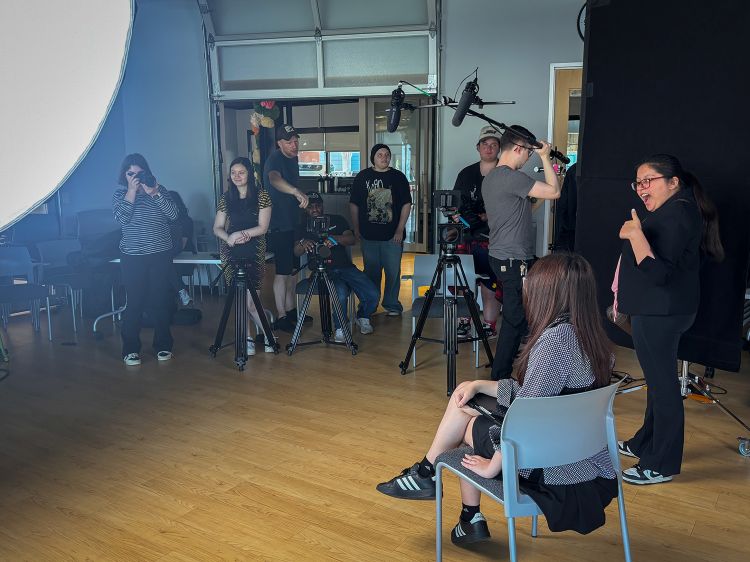
Multiple districts — In a West Michigan Center for Arts and Technology classroom, future sound engineers, directors and photographers moved like a well-oiled machine alongside film industry mentors, transforming the space into a film set.
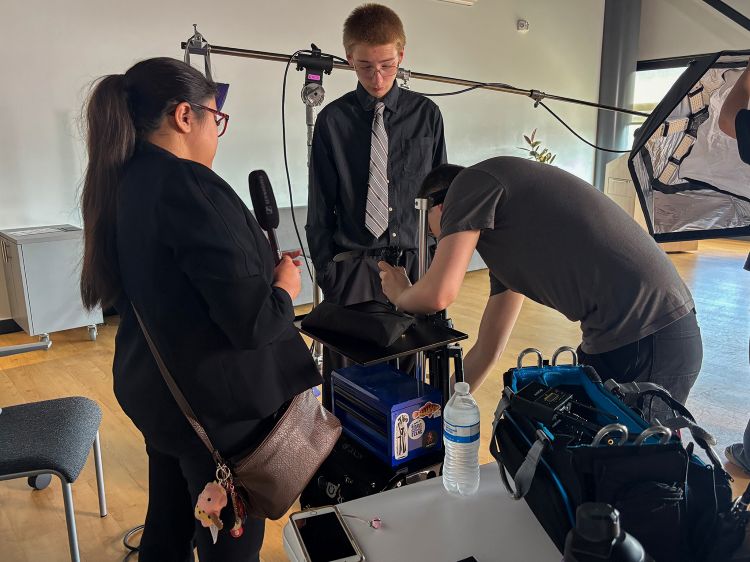
They set up lights, cameras and audio equipment, took notes and documented behind-the-scenes content for the day’s coming video shoot.
“All right, we have less than an hour until filming starts. Everyone grab your cameras and tripods,” directed filmmaker Mallory Patterson, Mosaic Film Experience education lead.
The young filmmakers, 11 students from Grand Rapids, Kentwood and East Grand Rapids public schools, were taking part in the six-week Mosaic Film Experience summer program, in which they were tasked with creating a digital media project that tells a story about their community.
The story they chose showcases leaders involved in local altruistic efforts — from feeding students to bringing coding opportunities to youth in underrepresented communities. Titled “Living Histories,” it documents the stories of six West Michigan nonprofit leaders from STEM Greenhouse, The Delta Project, Kids’ Food Basket, Grandville Avenue Arts & Humanities, Ebony Road Players and Code on Wheels.
Learning the Ropes
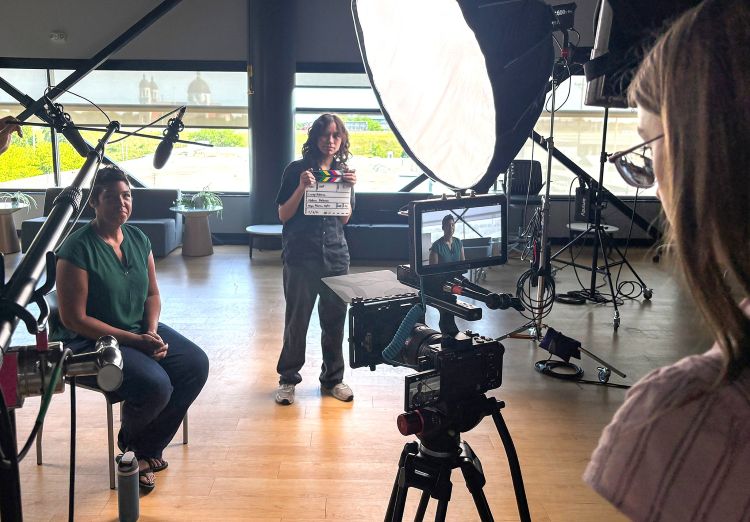
With microphones set up and cameras ready and rolling, Grand Rapids Montessori High School junior Shay Taliana was set to interview Grandville Avenue Arts and Humanities CEO Steff Rosalez, the first on-camera interview of the day.
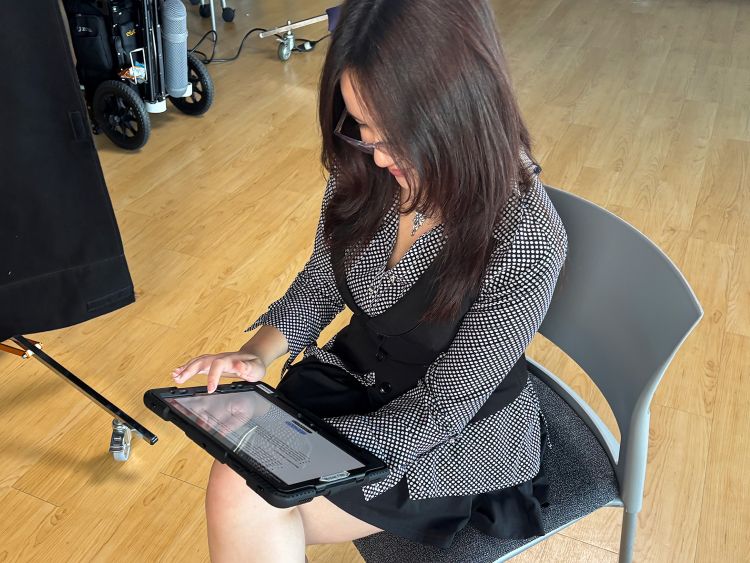
Shay took a deep breath and re-read her notes and questions.
To prepare, she had worked with City Middle High School senior Paloma Putman to research each organization. She dug deeper into information about Rosalez to learn about her as a person.
“We are asking people about who they are (for this film), and that’s pretty important and showcases their work in the community,” Shay said.
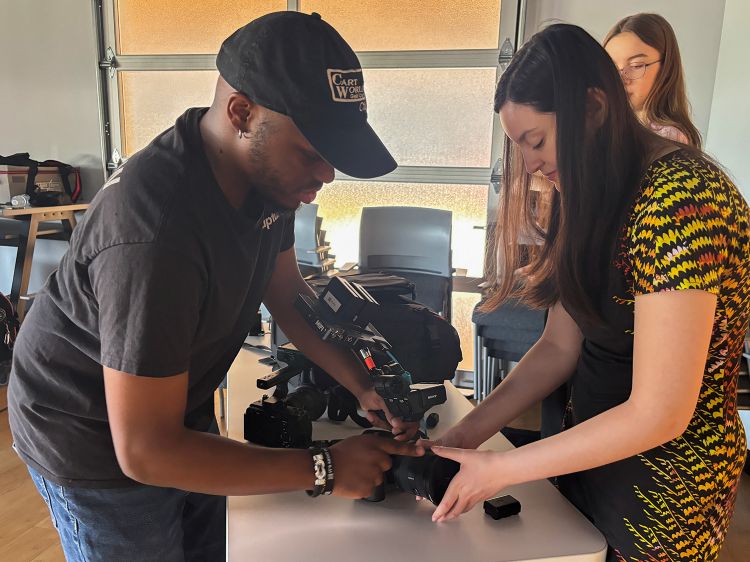
Behind the camera was East Grand Rapids High School sophomore Maya Barris. She said filming video for the project was the first time she used professional camera equipment.
“I’m more used to filming short films on my phone,” she said. “This project has allowed me to feel more professional, have more access to tools and dabble in everything, but mostly camera operation.”
Elizabeth Dunaway, a recent graduate from City Middle High School, said the process taught her about different interview styles and how to work with subjects who sometimes “go on for far too long.”
“You want to get your thoughts across and have clear interpretations of the questions,” she said. “If you’re awkward, it might make the interview more wholesome.”
Last year’s student-created content found its home in the Grand Rapids Public Museum’s permanent archives and Patterson said they hope to do something similar with “Living Histories.”
“We had a great group of students who dove head first into the project, worked really hard, and produced some amazing videos that will be showcased to the community both online and potentially in person later this year,” she said.
Investing in Future Filmmakers
MFE Manager of Programming and Education Elizabeth Merriman said 40 students applied for the summer program and the 11 selected each received a $1,000 stipend, funded by independent donors, and based on their attendance and active participation each week.
No experience was required, and students came into the program with varying levels of creative interests.
“This is a career exploration and development opportunity for students,” Merriman said. “Paying students for their work means we value their work and see the benefit of paying into their future.”
Thanks to MFE’s community connections, the students had several opportunities to learn about creative storytelling strategy, story mapping, production fundamentals and interviewing techniques.
Randy Strobl, from Wrinkle Creative and Detroit PBS, presented on the video editing process and the group explored the logistics of filming b-roll in public spaces, with guidance from Evette Pittman and Samie Garrett from the City of Grand Rapids Office of Special Events.
WGVU Public Media Producer and Director Zach Liniewski also led workshops and mentored students to help them refine their skills and bring their ideas for storytelling to life.
Patterson added: “Having intergenerational learning, both career-focused and in the context of community, really opened students’ eyes and informed them about the media, technology and creative landscape, as well as the good work being done locally by passionate people.”
Read more from our districts:
• No more tunnel vision: teens help businesses solve real issues
• Teens become storytellers during filmmaking program


